


Mahjong Empire: Classic Match
5.0255.00 Reviews
App Specs
- Version
- 1.32.0
- Updated On
- License
- Free
- Downloads
- 100,000+
- Developer
- PlaySimple Games
- Categories
- Board
- Platform
- Android
Screenshots
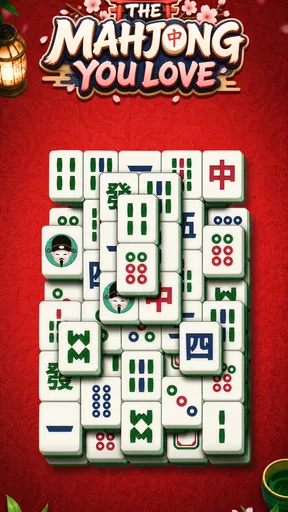
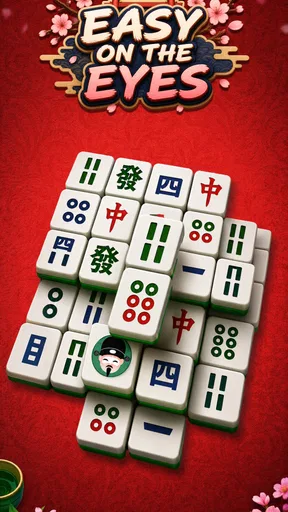
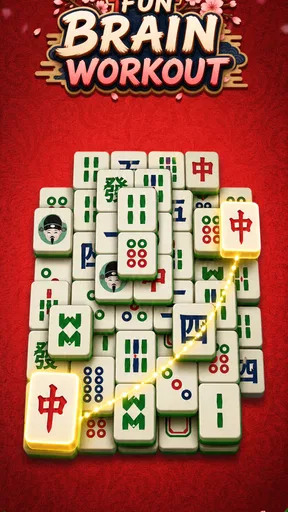

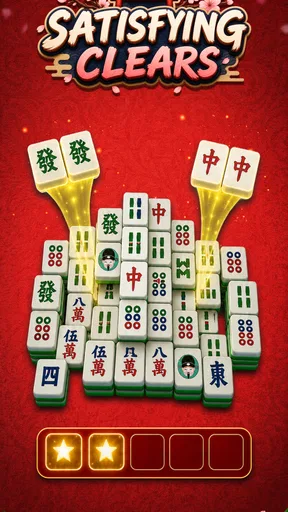
 Analysis by AppCompare
I like having a quiet game available for the small gaps in a shared household day: while someone else is using the television, during a pause between chores, or when I want a few minutes away from a busy room. Mahjong Empire: Classic Match is built around matching tiles in a solitaire-style board puzzle, so it suits that kind of stop-and-start play better than a game that asks everyone to follow a long story or coordinate in real time. It is a board game from PlaySimple Games, and its calm pace is the main reason I would consider it for a family tablet or a phone passed around the house.
A game that fits around household routines
Mahjong Solitaire is easy to explain before handing over the device: look for matching tiles that are free to select, then clear the layout. That makes it approachable for someone who has never played, while the need to think ahead gives experienced puzzle fans a reason to keep going. I would use it for a short turn while waiting for dinner or for a quiet break on the sofa, rather than treating it as a group party game. People can take turns solving boards, but the play itself is mostly individual.
That distinction matters in a shared-use setting. A parent and child can enjoy the same basic activity without needing matching skill levels, but they may not be able to maintain separate histories or preferences simply by passing one device back and forth. I’d agree on whose turn it is and avoid assuming that one person’s progress represents everyone’s. The app works best as a shared puzzle sitting on a shared screen, not as a substitute for separate player profiles.
What to consider before handing over the device
The game is free to download and is rated for Everyone, which makes it an easy option to consider for a broad age range. Still, that rating is not a replacement for a quick look at how the app behaves on your household’s device. The game includes in-app purchases, with items priced from $1.99 to $49.99, so I would explain that purchases cost real money and keep any device-level purchase safeguards appropriate to the people using the phone or tablet. Those safeguards are a general device-setting matter, not a feature I would assume the game itself provides.
There is also a useful boundary to keep in mind: a relaxing puzzle can make a good screen-time break, but “one more board” is an easy habit to fall into when there are daily challenges to return to. If I were sharing the device with a younger player, I would set a simple stopping point before starting, such as one puzzle or a short turn. That keeps the game in the role of a pleasant filler activity instead of letting a quick pause drift into an open-ended session.
Taking turns without making it a competition
For a household, the daily challenge can give everyone a common puzzle to talk about, but I would keep score comparisons light. A player who is new to tile layouts may need more time than someone familiar with the conventions, and a slower solve does not mean they are enjoying it less. A nice routine is to let one person choose the layout or theme, then hand the device to the next person for a later round. That creates a shared ritual without making the app’s progress tracking the center of the activity.
If you want a game built around direct conversation, teamwork, or head-to-head turns, this is not the strongest fit. A physical board game or a multiplayer title is a better choice for a family game night where everyone should participate at once. The appeal here is quieter: one person focuses, others can watch or wait, and the screen can be passed along when convenient.
Worth Reading Before You Choose

Flipboard Shows What News Apps Must Do Beyond the Feed

Switching to Android Auto Means Rethinking Your Driving Routine

Google Calendar Makes a Crowded Week Easier to Manage

Ludo King Makes the Most of the Minutes Between Plans

Baby Panda World Brings Quick Play to Modern Phones, but Its Game Library Feels Busy

ESPN’s Live Game View Makes Following Close Games Easier
A Timeless Classic Reimagined
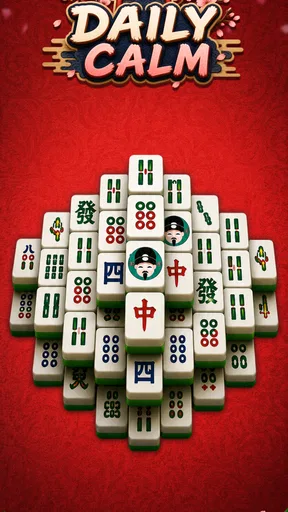
Let’s talk about what makes Mahjong Empire: Classic Match stand out. At its core, it stays true to the traditional Mahjong game we all know and love. You’re tasked with matching tiles to clear the board, but there’s so much more to it. The app offers countless tile layouts and themes that keep the game fresh and exciting.
What’s cool is how intuitive the interface feels. I’ve tried other Mahjong apps before, but this one nails it with seamless navigation and easy-to-read tiles. Whether you’re a seasoned Mahjong pro or a total newbie, you’ll find the game’s learning curve to be as smooth as butter.
Visuals That Captivate
The visuals in this app are simply stunning. I mean, who doesn’t love a game that’s easy on the eyes? The developers truly outdid themselves with beautifully crafted tiles and serene backgrounds. Each theme brings a unique vibe, from traditional Chinese landscapes to modern minimalist designs. It’s like a mini-vacation every time you play.
And let’s not forget the little animations that play when you make a match. They’re subtle but satisfying, adding a nice touch to the overall experience.
Features to Keep You Hooked
Now, let’s dive into the features that make Mahjong Empire a must-download. First off, the sheer variety of layouts is impressive. With hundreds of layouts to choose from, you’ll never run out of puzzles to solve. Plus, the game updates frequently, adding new challenges to keep things spicy.
One feature I particularly love is the daily challenge. It’s like a little brain teaser that gives you something new to look forward to each day. And if you’re feeling competitive, you can track your progress and compare scores with friends. Let’s just say, I’ve had my fair share of friendly rivalries.
A User-Friendly Experience
The app’s user experience is top-notch. Everything is designed to be straightforward, from the menu navigation to the in-game controls. You can easily adjust settings like sound and difficulty level, ensuring the game fits your personal preferences.
And speaking of sound, the background music is a delightful blend of calming melodies that help you unwind. But if you’re not into it, you can always mute the music and enjoy the silence. The choice is yours!
Perfect for On-the-Go Gaming
One of my favorite things about Mahjong Empire is how well it fits into my busy lifestyle. Whether I’m waiting in line or taking a break at work, I can easily whip out my phone and play a quick round. The app loads quickly and performs smoothly, even on older devices.
Plus, the game doesn’t require a constant internet connection, so you can enjoy it anytime, anywhere. It’s the perfect way to unwind and give your brain a quick workout wherever you are.
Choosing it over other puzzle games
When I compare this with the usual alternatives, the distinction is less about a dramatic reinvention of Mahjong and more about the mood it creates. A classic tile-matching solitaire game is a good choice when I want a single, self-contained puzzle and a gentle pace. A word game may be better when I want language practice, while a competitive board app suits me more when I want active interaction with another player. This one sits firmly on the quiet, visual-puzzle side of that choice.
The variety of layouts helps the familiar matching rule feel less repetitive, but it does not change the basic nature of the activity: you are still scanning a board, deciding which free pair to remove, and trying not to leave yourself with awkward choices. I find that consistency reassuring when I only have a few minutes. If you need a game with a deep narrative, a strong social layer, or a very different challenge from board to board, a broader puzzle collection may hold your attention better.
Small habits that make each board more satisfying
My practical tip is to pause before taking the first obvious match. In tile solitaire, removing a pair can expose useful options or block a route you wanted to keep open, so I scan the visible free tiles for pairs that reveal more of the layout. I also avoid tapping quickly just because a match is available; a slower first pass often makes the rest of the board feel more like a puzzle and less like routine clearing. That approach is especially useful when I am playing to unwind rather than chase a score.
On a shared device, I would also decide whether the next player is continuing the current session or starting their own round before handing it over. That small agreement avoids confusion about whose progress or challenge is on screen. If someone wants to try a different look, choosing a theme can make the handoff feel personal without changing the simple rules. These are modest habits, but they help the game work smoothly in a household where people have different tastes and attention spans.
Who will enjoy it, and who may want something else
I would recommend it to someone who already likes tile-matching puzzles, or to a newcomer who wants a board game with rules that are easy to grasp. It also suits people who prefer quiet solo play and want a familiar activity to dip into between errands or during a calm moment at home. The daily challenge gives regular players a natural reason to return, while the layout variety offers more to explore than a single fixed board.
I would steer away from it if your main goal is multiplayer interaction, a fast action game, or a puzzle that changes its core mechanics as you progress. It is also not the best choice for someone who dislikes repeated visual scanning or who finds optional purchases distracting. Since the game is free to start but offers paid items, I would treat spending as something to decide deliberately rather than a necessary part of enjoying the matching puzzles.
Everyday play, without overpromising
A realistic use for me is opening a board during a waiting-room pause, playing until I need to put my phone away, and returning later when I have another quiet moment. The short-session appeal is clear, though I would not assume every board will take the same amount of time or that every player will find the pace equally relaxing. Some people enjoy carefully weighing each move; others may find the repeated tile search too slow. Trying a few sessions is the best way to tell which side you are on.
If you are wondering whether it is suitable for a younger family member, its Everyone rating makes it broadly approachable, and the straightforward tile-matching idea is easy to explain. I would still supervise purchases on a shared device and set expectations about playtime, especially if the daily challenge encourages repeated visits. If you are wondering whether it can replace a family board-game evening, I would say no: it is better as a pass-around solo activity than as a game that keeps everyone involved at once.
My household verdict
Mahjong Empire is a good fit for a household that wants an accessible puzzle to share casually, with no need to coordinate a whole group around the screen. PlaySimple Games has made a familiar form of board play easy to approach, and the app’s 4.8 average rating from 624 ratings reflects a positive response from its players. It has over 50,000 installs, is free to download, and its current version is 1.14.0; it was released on February 24, 2026, and supports Android 8.0 or later. Those details make it straightforward to assess compatibility, though I would still check that the particular device has enough space and runs comfortably.
My recommendation is simple: choose it for calm, individual puzzle time that can be shared by passing a device around, not for a lively multiplayer session or a completely purchase-free environment. The board format, daily challenge, and visual themes give it enough personality to make a familiar pastime inviting, while its basic matching loop remains the main event. If that is what you want, it is an easy game to keep on hand; if you need deeper social play or a more varied style of challenge, another kind of board or puzzle game will serve you better.
Final Thoughts
If you’re on the hunt for a game that’s both challenging and relaxing, Mahjong Empire: Classic Match is an excellent choice. Its beautiful design, plethora of features, and ease of use make it a standout in the crowded world of mobile games.
So, what are you waiting for? Give it a try and immerse yourself in the timeless world of Mahjong. You might just find yourself, like me, wondering how you ever lived without it. Happy matching!
Pros
- Beautiful graphics enhance gameplay.
- Variety of levels keeps it engaging.
- Smooth
- intuitive controls.
- Offline mode available.
- Frequent updates add new features.
Cons
- Ads can be intrusive at times.
- Limited hints without purchase.
- Some levels feel repetitive.
- Occasional crashes on older devices.
- In-app purchases can be pricey.
FAQs for Mahjong Empire: Classic Match
What is Mahjong Empire: Classic Match?
Mahjong Empire: Classic Match is a traditional tile-matching game that challenges players to clear the board by matching pairs of tiles with similar symbols. The game offers a variety of layouts and levels, providing both casual players and Mahjong enthusiasts with hours of engaging gameplay.
Is Mahjong Empire: Classic Match free to play?
Yes, Mahjong Empire: Classic Match is free to download and play on both Android and iOS platforms. However, it may offer in-app purchases for additional features, such as hints or new tile designs, to enhance the gaming experience. Always check in-app purchase options before downloading.
What are the main features of Mahjong Empire: Classic Match?
The game features a wide range of layouts, each with unique challenges, as well as beautifully designed tiles and backgrounds. It includes an intuitive interface, daily challenges, and a hint system to assist players when they get stuck. The game also tracks progress, allowing players to improve their skills over time.
Does Mahjong Empire: Classic Match require an internet connection?
Mahjong Empire: Classic Match can be played offline, making it perfect for on-the-go gaming without worrying about data usage. However, certain features, such as daily challenges or leaderboards, may require an internet connection to function properly.
Are there ads in Mahjong Empire: Classic Match?
Yes, the game includes ads, which help support its free-to-play model. Ads typically appear between levels or as banners. Players have the option to remove ads through an in-app purchase, providing an uninterrupted gaming experience.


